Mauritius People And Culture
By Karen Thornalley · 21 August 2026 · 6 min read
What Makes Mauritius Feel Like Home So Quickly
Mauritius is one of the most genuinely multicultural societies on the planet, and that is not a marketing line. It is a fact rooted in history. The island was uninhabited until the 1600s, so every single person living there today is descended from someone who arrived from somewhere else. That shared origin creates a remarkably open attitude toward newcomers. British families moving to Mauritius consistently say the same thing in their first few months: people are warm, patient, and quietly proud of how well their different communities coexist.
Understanding the culture before you arrive makes an enormous practical difference. It shapes how you find work, how you bank, how you talk to your neighbours, and how quickly your children settle. This guide covers the things that actually matter.
The People of Mauritius: Who Lives There and How Society Works
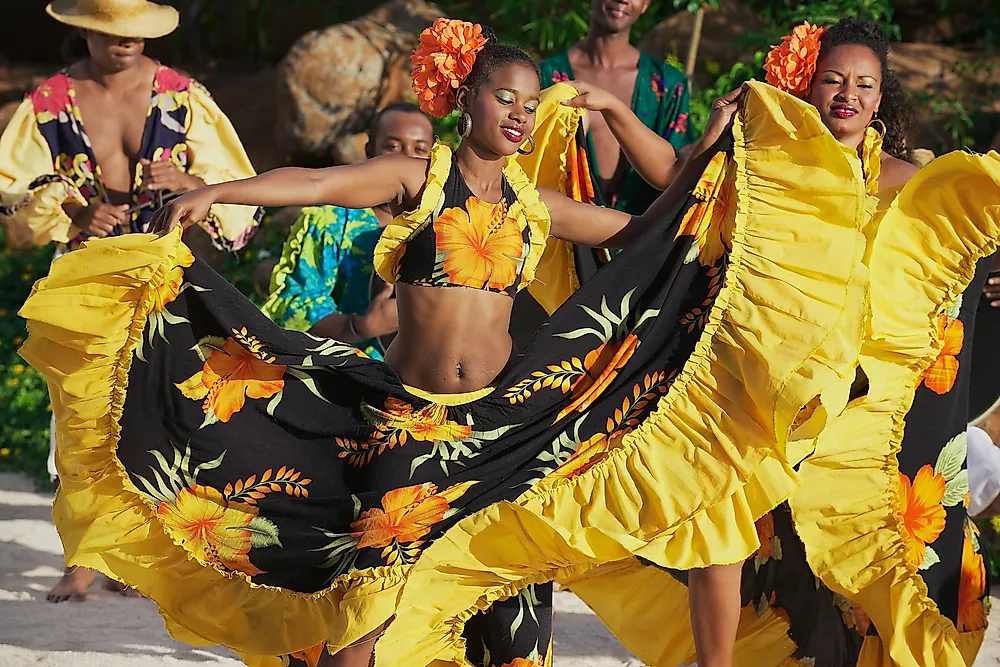
The population of roughly 1.3 million people is made up of four main communities: Indo-Mauritians (the largest group, descended from indentured labourers brought from India), Creoles (of African and Malagasy descent), Sino-Mauritians (descended from Chinese traders), and the Franco-Mauritians (descendants of French and later British colonists). These communities live alongside each other, intermarry, and share public life, while also maintaining distinct religious and cultural traditions.
Hinduism, Islam, Catholicism, and Buddhism all have a visible presence. You will notice this in the calendar: Diwali, Eid, Christmas, and Chinese New Year are all public holidays. That rhythm of celebration is one of the things families from the UK often say they love most about daily life there.
Language: What You Will Actually Hear
Mauritius has three official languages: English, French, and Mauritian Creole. English is the language of government, law, and formal business. French is used widely in media, social settings, and commerce. Creole is the everyday spoken language between Mauritians of all backgrounds.
For British arrivals, the practical reality is reassuring. You can live and work entirely in English. Government forms, bank communications, and most professional correspondence are in English. That said, learning even a handful of French phrases earns genuine goodwill. Mauritians notice the effort and respond warmly to it.
Daily Life in Port Louis and Beyond
Port Louis is the capital city of Mauritius, located on the north-west coast of the island. It is the commercial and administrative heart of the country, home to the main port, the Stock Exchange of Mauritius, and the headquarters of most major banks and businesses. If you are pursuing a career in Mauritius, Port Louis is where most professional opportunities are concentrated.
The city has a particular energy: busy markets, colonial-era buildings sitting alongside modern office towers, street food vendors next to international restaurants. It is compact enough to feel human-scale, but large enough to have everything a family needs.
Outside the capital, life slows down considerably. Towns like Curepipe, Quatre Bornes, and Rose Hill are popular with families who want more space and cooler temperatures (the central plateau sits higher and is noticeably fresher than the coast).
Weather: What to Expect Across the Year
Understanding the meteo for Mauritius before you move saves a lot of surprises. The island has two broad seasons. The warm, humid summer runs from roughly November to April, with temperatures between 25 and 33 degrees Celsius and the possibility of cyclones between January and March. The cooler, drier winter runs from May to October, with temperatures on the coast sitting between 17 and 24 degrees and the central highlands dropping a few degrees further.
Most families from the UK find the winter months immediately comfortable. The summer takes adjustment, particularly the humidity. Air conditioning is standard in most modern homes and offices. Cyclone warnings are taken seriously and the national meteorological services issue clear guidance well in advance, so the process is far less alarming than it sounds from a distance.
Finding Work: Mauritius Jobs and Career Paths
Mauritius has a genuinely diversified economy. The main sectors offering mauritius jobs to international professionals include financial services, information and communication technology, tourism and hospitality management, education, and increasingly, the business process outsourcing sector.
The government actively encourages skilled foreign workers through its various residence and occupation permit schemes. A career in Mauritius is realistic for professionals in accountancy, law, IT, engineering, and senior management, provided you meet the minimum salary thresholds set by the Economic Development Board.
Networking matters enormously here. The professional community is small and interconnected. Most positions are filled through personal recommendation before they are ever advertised. Joining industry associations and attending professional events in Port Louis is not optional networking, it is genuinely how things work.
Banking in Mauritius: A Practical Overview
The banking system in Mauritius is well-developed and regulated. The Mauritius Commercial Bank, commonly known as MCB, is the largest and oldest commercial bank on the island, founded in 1838. For most new residents, MCB is the first bank they encounter, and its digital services are worth understanding before you arrive.
MCB internet banking (the service is branded as MCB Juice for retail customers and MCB Internet Banking for corporate and professional accounts) allows you to manage accounts, make local and international transfers, pay bills, and access statements online. The mauritius commercial bank internet banking platform is reliable and straightforward to use once your account is established. You will need to visit a branch in person to open an account, bringing your passport, proof of address, and your occupation or residence permit.
Internet banking MCB Mauritius works well for day-to-day management, and the mobile app is widely used. For transfers back to the UK, most people use a combination of their MCB account and a service like Wise for better exchange rates on larger sums.
Other significant banks include the State Bank of Mauritius (SBM) and Barclays (now ABSA). All offer internet banking mauritius commercial bank-level digital access, though MCB remains the most commonly used by the international resident community.
Social Customs Worth Knowing Before You Arrive
A few cultural notes that will serve you well from day one.
Respect for elders is deeply embedded across all communities. Addressing older people formally, at least initially, is always the right call.
Religious sites are everywhere and are genuinely sacred spaces. Dress modestly when visiting temples, mosques, or churches, and remove shoes where indicated.
Mauritians are indirect communicators in professional settings. A polite refusal often sounds like a tentative yes. Learning to read this takes time, and it is worth being patient rather than pushing for a direct answer.
Food is central to social life. Accepting an invitation to eat at someone's home is a significant gesture of trust. Bring something, arrive close to the time stated, and expect the meal to go on for a while.
The pace of bureaucracy can be slow by British standards. Building in extra time for any official process, whether it is a permit renewal, a school registration, or a utility connection, will protect your sanity considerably.
FAQ
Frequently asked questions
What language do people speak in Mauritius?+
Mauritius has three official languages: English, French, and Mauritian Creole. English is used in government and formal business, French in media and social settings, and Creole is the everyday spoken language between Mauritians. British residents can function entirely in English, though basic French is appreciated.
What is the weather like in Mauritius throughout the year?+
Mauritius has two seasons. The warm, humid summer runs from November to April, with temperatures of 25 to 33 degrees Celsius and a cyclone risk between January and March. The cooler, drier winter runs from May to October, with coastal temperatures of 17 to 24 degrees. The central highlands are several degrees cooler year-round.
How do I set up internet banking with MCB Mauritius?+
To use MCB internet banking (Mauritius Commercial Bank), you must first open an account in person at a branch, bringing your passport, proof of address, and your residence or occupation permit. Once your account is active, you register for the online platform or MCB Juice mobile app to manage transfers, bill payments, and statements.
What jobs are available in Mauritius for British professionals?+
Mauritius jobs for international professionals are concentrated in financial services, ICT, tourism management, education, and business process outsourcing. A career in Mauritius requires meeting the Economic Development Board's minimum salary thresholds for an occupation permit. Networking in Port Louis is the most effective way to find positions, as many roles are filled through personal referrals.
What is Port Louis like as a place to live and work?+
Port Louis is the capital and commercial centre of Mauritius, located on the north-west coast. It is where most professional jobs, government offices, and major banks are based. The city is compact and walkable in parts, with a mix of markets, colonial architecture, and modern offices. Many families live outside the capital and commute in.
How multicultural is Mauritian society?+
Mauritius is one of the most diverse societies in the world. The population includes Indo-Mauritians, Creoles, Sino-Mauritians, and Franco-Mauritians, with Hinduism, Islam, Catholicism, and Buddhism all practised openly. The island was uninhabited before European settlement, so every community has immigrant roots, which creates a broadly open and inclusive social culture.
Thinking about your own move?
I'm always happy to answer a question, no strings attached.