What Mauritian Culture Actually Feels Like Day to Day
Mauritius is one of the most genuinely multicultural places on earth, not as a marketing line, but as a lived reality you feel within your first week. Indo-Mauritian, Creole, Sino-Mauritian, and Franco-Mauritian communities have shared this island for centuries, and the result is a culture that is layered, tolerant, and quietly fascinating. If you are seriously considering a move here, understanding that culture before you arrive will save you a lot of confusion and help you settle in far more quickly.
This guide covers what daily life actually looks like, when to visit to get a real sense of the place, what to do beyond the beaches, and what British families who have made the move tend to say once the dust settles.
The Four Communities That Shape Everyday Life
Mauritius has no indigenous population. Everyone arrived from somewhere else, India, Africa, China, Europe, and that history shapes everything from the food on your plate to the public holidays on your calendar.
Indo-Mauritians make up roughly 68% of the population. Their ancestors came as indentured labourers after the abolition of slavery, and Hindu and Muslim traditions are deeply woven into public life. You will see temples and mosques in the same village. Diwali and Eid are national celebrations, not minority events.
Creole Mauritians are descendants of enslaved Africans and Malagasy people, and Kreol, a French-based creole language, is the mother tongue most Mauritians use at home, regardless of ethnicity.
Sino-Mauritians have been on the island since the 18th century. Chinese New Year is celebrated island-wide, and the Chinese quarter of Port Louis is one of the oldest in the Indian Ocean region.
Franco-Mauritians are a small but economically influential community descended from French colonists. French remains the language of business, media, and educated conversation, even though English is the official language of government and law.
As a British mover, you will find English widely understood, especially in professional settings, but learning even basic French and a few words of Kreol goes a very long way socially.
Language, Religion, and the Rhythm of the Week
Mauritius has 15 public holidays a year, drawn from Hindu, Muslim, Christian, and Chinese traditions. This is not a nuisance, it is one of the most honest expressions of how the culture actually works. Shops close, families gather, and the island takes a breath.
Sundays are genuinely quiet in most residential areas. The pace of life slows noticeably compared to the UK, and that is something most British families either love immediately or find disorienting for the first few months. There is no shame in admitting the latter.
Religion is practised openly and without self-consciousness. You will hear the call to prayer, see Hindu shrines at roadsides, and pass Catholic churches within the same short drive. Nobody finds this remarkable. It simply is.
Food Culture: The Most Accessible Entry Point
If you want to understand Mauritian culture quickly, eat your way into it. The food is the clearest expression of the island's mixed heritage, and it is genuinely good.
- Dholl puri, a soft flatbread filled with split peas and served with curry and chutney, is the national street food. It costs almost nothing and is eaten at any time of day.
- Rougaille is a Creole tomato-based sauce served with fish, sausage, or chicken. It is the home-cooking staple.
- Biryani here is closer to the Indian original than anything you will find in a British high street.
- Chinese noodle soups served from small family restaurants in every town are cheap, filling, and excellent.
Markets, particularly the Central Market in Port Louis, are worth visiting early on, not just for produce but to get a feel for how ordinary Mauritians shop and interact. It is noisy, colourful, and completely unpretentious.
When to Visit: Getting the Timing Right
If you are planning a recce trip before committing to a move, timing matters more than most guides admit.
November to April is the hot and humid season, with occasional cyclones between January and March. This is also when the island is most alive, festivals, beach life, and a social energy that gives you a real sense of what living here feels like. Costs for accommodation are higher during this period, particularly over Christmas and New Year.
May to October is cooler, drier, and quieter. The south and east of the island can feel quite windy. This is the better time to visit if you want to explore the interior, hike, or get a more realistic picture of everyday life rather than peak-season Mauritius. Prices are noticeably lower, and you will find it easier to have honest conversations with locals and long-term residents without the noise of tourist season.
For a genuine cultural experience, rather than a beach holiday, visiting during Diwali (October or November, depending on the lunar calendar) or Chinese New Year (January or February) gives you something most visitors never see.
Things to Do That Actually Teach You About the Island
The beaches are real and they are good. But if you are considering living here, spend your visit doing things that reflect daily life rather than tourist infrastructure.
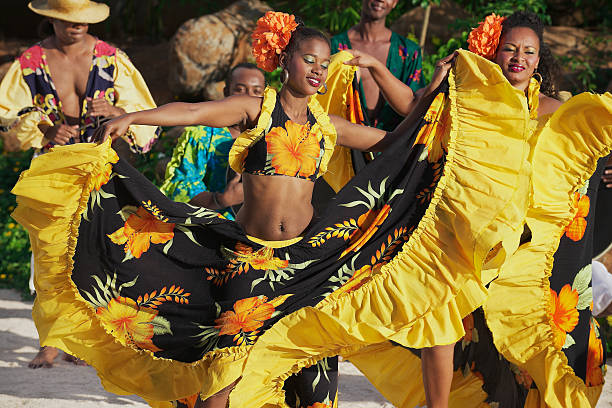
- Attend a sega performance, not a hotel show, but a community event if you can find one. Sega is the island's traditional music and dance, rooted in the Creole community, and it is genuinely moving when you see it in context.
- Drive the interior, the sugarcane plateau, the Black River Gorges National Park, the tea plantations around Bois Chéri. The interior of Mauritius looks nothing like the coast and tells a completely different story about the island's history.
- Visit a local market town on a Saturday morning, Mahébourg, Flacq, or Quatre Bornes. These are where ordinary Mauritians shop, socialise, and go about their week.
- Talk to people who have moved here, not just on forums, but in person. Move to Mauritius offers consultations and a structured checklist process that helps you ask the right questions before you commit.
What British Families Actually Say After Moving
Move to Mauritius reviews from British families tend to cluster around a few consistent themes.
The things people consistently say they underestimated: how much the slower pace affects them in the first three months, how warm and inclusive Mauritians are once you make a genuine effort, and how much the food becomes central to their social life.
The things people say they wish they had known: that bureaucracy here takes time and patience, that the rainy season is wetter than they expected, and that building a real social life takes longer than it does in a place where you already have networks.
None of this is a reason not to move. It is simply what an honest account looks like.
Practical Notes on Cost and Planning
Mauritius is not a cheap country by African or Asian standards, but it is considerably more affordable than the UK for many day-to-day expenses, particularly food, domestic help, and eating out.
Move to Mauritius pricing for consultation and support services varies depending on the level of guidance you need, from a single planning session through to full relocation support with visa guidance and school placement help. The value is in having someone who has already navigated the system, rather than spending months working it out yourself.
A realistic planning timeline from first serious consideration to landing with a visa in hand is typically 12 to 18 months. That is not a reason to delay, it is a reason to start the checklist early.
The Honest Summary
Mauritius has a culture that rewards curiosity and patience. It is not a place you understand in a fortnight, and it is not a place that will feel immediately familiar. But it is a place where people from different backgrounds have worked out how to live alongside each other with remarkable grace, and where the pace of life genuinely allows you to be present in a way that is increasingly difficult in the UK.
If that sounds like something worth understanding properly before you move, that is exactly what this kind of preparation is for.
Frequently asked questions
What language do people speak in Mauritius?+
Most Mauritians speak Kreol as their everyday home language. French is widely used in business, media, and social settings. English is the official language of government and law. Most educated Mauritians speak all three, and British movers generally find English well understood in professional contexts.
What is the best time of year to visit Mauritius before moving?+
May to October is the cooler, drier season and gives a more realistic picture of everyday life. November to April is warmer and more socially active but includes cyclone risk between January and March. For cultural events, visiting during Diwali or Chinese New Year is particularly worthwhile.
What do British families find most surprising about Mauritian culture?+
Most say they underestimated how much the slower pace of life affects them in the first few months, and how warm and socially inclusive Mauritians are once you make a genuine effort to engage. Building a social life takes longer than expected without existing networks.
Is Mauritius expensive to live in?+
Mauritius is more affordable than the UK for many daily expenses, particularly food, eating out, and domestic help, but it is not cheap by regional standards. Imported goods, international schooling, and property in sought-after areas carry significant costs.
What are the main cultural communities in Mauritius?+
Mauritius has four main communities: Indo-Mauritian (the largest group, with Hindu and Muslim traditions), Creole Mauritian (descended from African and Malagasy ancestors), Sino-Mauritian, and Franco-Mauritian. All four communities have shaped the island's food, language, religion, and public calendar.
How long does it take to plan a move to Mauritius?+
A realistic timeline from serious consideration to arriving with a visa in place is typically 12 to 18 months. Starting the planning process and checklist early makes a significant difference to how smoothly the process goes.
What is sega music in Mauritius?+
Sega is the traditional music and dance of the Creole community in Mauritius. It has roots in the experience of enslaved Africans brought to the island and is characterised by call-and-response singing, percussion, and rhythmic dance. It is an important part of Mauritian cultural identity.
Thinking about your own move?
I'm always happy to answer a question, no strings attached.