Experience The Best Of Mauritius With Property Finder
By Karen Thornalley · 27 July 2026 · 7 min read
Experience the Best of Mauritius With Property Finder
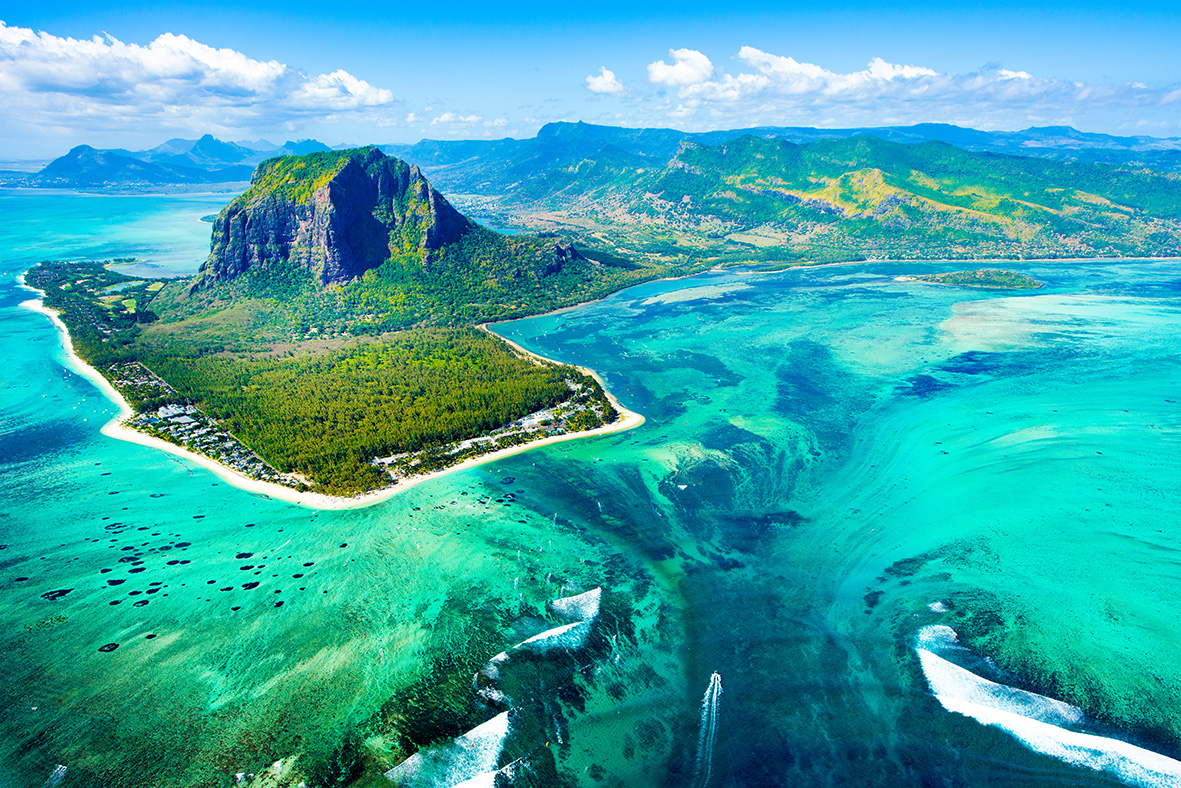
Mauritius is a small island in the Indian Ocean, roughly the size of Dorset, that has quietly become one of the most practical places in the world for British families to put down roots. Not because of any one thing, but because of how several things come together: a stable political climate, English as an official language, a well-regarded healthcare system, and a quality of life that is genuinely difficult to replicate in the UK at a comparable cost. Property Finder exists to help you navigate that move honestly, without the glossy brochure language that leaves you with more questions than answers.
This article covers the practical side of island life, what the weather actually does, what Port Louis is like to live near, and what the job market looks like if you're not yet financially independent.
Where Mauritius Sits in the World
Mauritius sits in the Indian Ocean, roughly 2,000 kilometres off the south-east coast of Africa and about 900 kilometres east of Madagascar. It shares its ocean neighbourhood with Réunion, Rodrigues, and the Maldives, though it is a sovereign republic entirely independent of any European power.
The island's position matters for two reasons. First, it means the climate is driven by trade winds and ocean currents rather than continental weather systems, which gives it a broadly consistent warmth year-round. Second, it means flight times from the UK are around 11 to 12 hours direct, which is long but manageable for family visits.
What the Weather in Mauritius Actually Does
If you search for meteo for Mauritius or meteo Maurice before you visit, you'll find reassuring averages. The reality is slightly more nuanced, and it's worth understanding before you choose where on the island to buy or rent.
The Two Seasons
Mauritius has a warm, humid summer from roughly November to April, and a cooler, drier winter from May to October. Summer temperatures sit between 25°C and 33°C on the coast. Winter drops to 17°C–24°C, warm by British standards, but cool enough that you'll want a light jacket in the evenings, particularly in the central highlands.
Cyclone Season
Cyclone season runs from November to April, overlapping with summer. Most cyclones pass without making direct landfall, but the island does occasionally take a hit. The Mauritius Meteorological Services issues clear warnings well in advance, and the island has well-practised protocols. Modern homes built to current standards handle cyclones considerably better than older stock, something worth checking when you're viewing properties.
Regional Differences
The east and south-east of the island catch the trade winds and tend to be wetter and windier. The west and north-west, where much of the international property market is concentrated, are drier and calmer. If you're sensitive to humidity, the central plateau towns like Curepipe sit higher and feel noticeably cooler and fresher.
Port Louis: The Capital Up Close
Port Louis is the capital and commercial heart of Mauritius. It sits on the north-west coast in a natural harbour surrounded by mountains, and it is where you'll find the main government offices, the Stock Exchange of Mauritius, the central hospital, and the bulk of formal employment.
What It's Like to Live Near
Most British families who move to Mauritius don't live in Port Louis, they live within 20 to 40 minutes of it, in areas like Pereybere, Grand Baie, Tamarin, or Flic en Flac. The city itself is busy, traffic-heavy during rush hours, and not especially residential in character. But it's worth visiting regularly, not least for the Central Market, which gives you a real sense of the island's Creole, Indian, Chinese, and French cultural layers all in one place.
Getting Around
Cars are the practical choice for daily life. Public buses are cheap and cover most of the island, but routes and timings don't always suit family schedules. The motorway network connecting Port Louis to the north and south is reasonable by island standards, though traffic on the M1 heading into the city in the morning can be slow.
Job Opportunities in Mauritius: What You Should Know Before You Move
This is the question many people sidestep in the planning stage, and it's the one that matters most if you don't have a pension, a remote income, or significant savings behind you.
The Honest Picture
Job opportunities in Mauritius exist, but the market is smaller than the UK's and operates differently. The government actively encourages foreign investment and business creation, but it also protects local employment, which means that for most salaried roles, employers need to demonstrate they couldn't fill the position locally before hiring a foreign national.
Where the Openings Are
The sectors where British professionals tend to find genuine job openings in Mauritius include:
- Financial services and fintech, Mauritius has a well-developed offshore financial sector and actively recruits internationally for specialist roles
- ICT and business process outsourcing, a growing sector with demand for English-language skills
- Education, international schools regularly recruit British-qualified teachers
- Tourism and hospitality management, senior operational roles, not entry-level
- Healthcare, particularly private clinics and the growing medical tourism sector
How Job Search in Mauritius Works
For a practical job search in Mauritius, the most useful starting points are local recruitment platforms (often referred to locally as job mu Mauritius sites), LinkedIn with location filters set to Mauritius, and direct approaches to companies in your sector. Word of mouth matters enormously on a small island, connections made through professional networks or community groups often lead to opportunities that never get formally advertised.
If you're considering starting a business rather than taking employment, the Economic Development Board of Mauritius has a clear framework for foreign investors, and the island's tax environment, a flat rate of 15% income tax, is a genuine draw for entrepreneurs.
Remote Work Is Often the Smartest First Step
Many British families who move successfully to Mauritius do so while keeping their UK-based income intact, at least initially. If your employer allows remote work, or if you run your own business, the Premium Visa introduced in 2021 was designed precisely for this situation. It allows you to live in Mauritius for up to a year while working for a foreign employer, with the option to extend.
Using Property Finder to Plan Your Move
Property Finder brings together property listings, relocation guidance, and practical information about life in Mauritius in one place. Whether you're at the early research stage or ready to view properties, the aim is to give you enough honest context to make decisions you won't regret.
The island is small enough that where you choose to live shapes almost everything else, your commute, your children's school options, your access to shops and healthcare, and how connected you feel to the wider community. Getting that decision right matters more than getting the property itself perfect on day one.
If you're still weighing up areas, it's worth reading about the differences between the north, west, and south of the island before you book a viewing trip. And if you're at the visa stage, understanding which route suits your situation, whether that's the Premium Visa, the Retirement Non-Citizen Permit, or the property-linked residence permit, will save you significant time.
FAQ
Frequently asked questions
What is the weather like in Mauritius year-round?+
Mauritius has two seasons: a warm, humid summer from November to April with coastal temperatures of 25–33°C, and a cooler, drier winter from May to October with temperatures of 17–24°C. The west and north-west of the island are drier and calmer than the east. Cyclone season runs from November to April, though direct hits are relatively rare and the island has well-established warning systems.
Where is Mauritius located?+
Mauritius is an island nation in the Indian Ocean, approximately 2,000 kilometres off the south-east coast of Africa and 900 kilometres east of Madagascar. It is a sovereign republic with English as one of its official languages.
Is Port Louis a good place to live?+
Port Louis is the capital and commercial centre of Mauritius, but most families choose to live in quieter residential areas 20–40 minutes away, such as Grand Baie, Tamarin, or Flic en Flac. The city is worth visiting regularly for work, government services, and its Central Market, but it is traffic-heavy during peak hours and not primarily residential in character.
What job opportunities are available in Mauritius for British professionals?+
The main sectors with genuine job openings for foreign professionals in Mauritius are financial services, ICT and business process outsourcing, international education, senior hospitality management, and private healthcare. The local job market is smaller than the UK's, and employers generally need to show they couldn't fill a role locally before hiring a foreign national. Remote work for a UK employer, supported by the Premium Visa, is often the most practical route for the first year.
How do I search for jobs in Mauritius from the UK?+
The most effective approaches for a job search in Mauritius from the UK are: using local recruitment platforms (often called job mu Mauritius sites), filtering LinkedIn searches by Mauritius location, and making direct contact with companies in your sector. Given the island's small size, professional networking and personal introductions often surface opportunities before they are formally advertised.
Can I live in Mauritius and keep working for my UK employer?+
Yes. The Mauritius Premium Visa allows foreign nationals to live in Mauritius for up to one year while employed by or running a business registered outside Mauritius. It is renewable and was specifically designed for remote workers and digital professionals. Income tax in Mauritius is a flat 15%, which can be advantageous depending on your circumstances.
What is the best area of Mauritius to live in for families?+
The north (Grand Baie, Pereybere) and the west (Tamarin, Flic en Flac) are the most popular areas for British families. The north has the greatest concentration of international schools and amenities. The west is quieter, with a more settled community feel and good access to the motorway for Port Louis. The central highlands are cooler and suit those who find coastal humidity uncomfortable.
Thinking about your own move?
I'm always happy to answer a question, no strings attached.